6061 vs 6082 vs 6063 Aluminium for CNC Machining
Three 6xxx alloys, all machinable and anodisable. Where 6061, 6082 and 6063 actually differ: strength, behaviour in the cut, anodised appearance, and what you can buy as extrusion.
Three 6xxx alloys, all machinable and anodisable. Where 6061, 6082 and 6063 actually differ: strength, behaviour in the cut, anodised appearance, and what you can buy as extrusion.
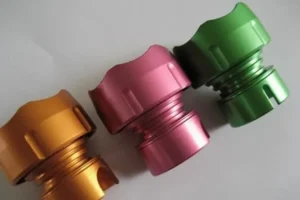
Anodising grows a layer out of the aluminium; powder coating lays one on top. What that means for dimensions, threads, colour, wear and the notes you put on the drawing.
Quick answer For most CNC machined parts, Ra 1.6 µm is the right callout — and Ra 3.2 µm is roughly what you get if
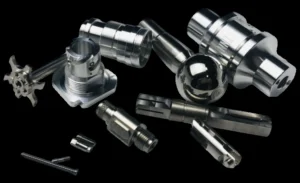
304 or 316 stainless steel? The mechanical properties are nearly identical — the choice comes down to chloride exposure. A practical comparison for CNC machined parts, with an application selection table.
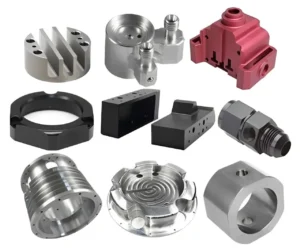
6061-T6 is the right default for most CNC parts — it machines faster, welds, anodizes cleanly and costs less. 7075-T6 is worth its 30-50% premium only when a part is genuinely strength-critical. Side-by-side data, application table and FAQ.
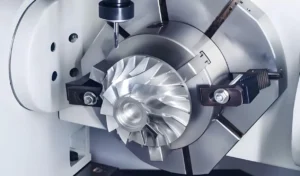
What precision metal CNC machining means for aerospace and industrial parts — the tolerances we hold, the materials we run, and what to send us for a quote.